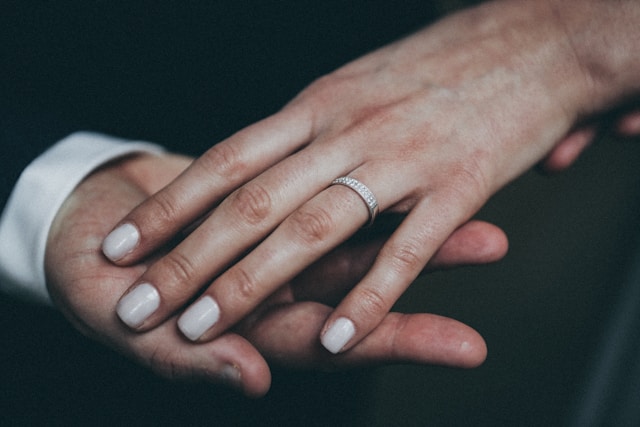
For a professional, long-lasting manicure that resists chipping and fading, the final step is just as critical as the first. A high-quality top coat is the secret weapon that locks in your color, adds a dazzling shine, and creates a resilient shield against daily wear and tear. Our guide explores the most durable products and expert techniques to help you achieve a salon-quality finish that lasts.
Key Takeaways
- A quality top coat is a protective barrier that significantly extends manicure life by preventing chips, scratches, and color fading.
- Different formulas cater to specific needs: quick-dry for convenience, gel-style for extended wear, and matte for a modern finish.
- Correct application technique—including capping the free edge and applying thin, even coats—is crucial for maximizing durability.
- Reapplying a thin layer of top coat every few days can refresh shine and reinforce protection, extending your manicure’s lifespan.
Table of Contents
- Why a Top Coat is Non-Negotiable
- Choosing the Right Top Coat: A Detailed Comparison
- How to Apply Top Coat for Maximum Longevity
- Pro Tips and Common Mistakes to Avoid
- Frequently Asked Questions
- Conclusion
Why a Top Coat is Non-Negotiable
A top coat is far more than a simple glossy finish. Celebrity manicurist Jin Soon Choi explains that it “creates a protective barrier that shields your nails from everyday wear and tear”. This barrier is your manicure’s primary defense system.
Its core functions are multifaceted: it seals in the color to prevent fading from sunlight and chemicals, forms a hard, scratch-resistant surface to ward off chips and dents, and provides an instant high-shine, professional finish. Some advanced formulas also contain ingredients like UV filters to combat yellowing and polymers that absorb daily impact to keep the polish underneath intact. Essentially, skipping the top coat leaves your manicure vulnerable and drastically shortens its lifespan.
Choosing the Right Top Coat: A Detailed Comparison
With a myriad of options available, selecting the best top coat depends on your lifestyle, desired finish, and how long you need your manicure to last. The following table breaks down the key types to help you decide.
| Top Coat Type | Key Features & Benefits | Best For | Average Wear Time | Notable Examples |
|---|---|---|---|---|
| Quick-Dry | Dries polish to the touch in 1-5 minutes; prevents smudges; high-gloss finish. | Busy lifestyles, anyone prone to smudging, at-home manicurists. | 7-10 days | Seche Vite Dry Fast Top Coat, Sally Hansen Insta-Dri |
| Gel-Effect (No Lamp) | Delivers a plump, ultra-glossy “gel-like” shine; highly chip-resistant; no UV lamp required. | Those wanting salon gel manicure durability at home. | 7-14 days | Essie Gel Couture, Olive & June Super Glossy |
| True Gel (UV/LED Required) | Requires curing under a lamp; creates an extremely hard, durable seal; ultra-high shine. | Maximum longevity, professional-grade results. | 14-21 days | Beetles Gel Top Coat, Vishine Top Coat |
| Strengthening | Formulated with proteins, keratin, or vitamins; helps fortify the nail plate while protecting polish. | Those with weak, brittle, or peeling nails. | 7-10 days | Sally Hansen Advanced Hard as Nails |
| Matte | Provides a modern, velvety non-shine finish; can transform any glossy polish. | Fashion-forward looks, creating nail art contrasts. | 7-10 days | Butter London Hardwear Matte UV Top Coat |
Beyond the Type: What to Look For in a Formula
- Brush Design: A well-designed brush, like the ergonomic, curve-hugging brush on the CND Vinylux Top Coat, can make application smoother and more precise, especially around the cuticles.
- Ingredient Quality: Look for formulas that are “3-Free,” “5-Free,” or “10-Free,” meaning they omit common harmful chemicals. Some, like Olive & June’s top coat, are made without 15 potentially icky ingredients.
- Compatibility: Some top coats work best within their own brand’s system (e.g., Dazzle Dry, CND Vinylux), while others, like OPI Top Coat, are universally compatible with any polish.
How to Apply Top Coat for Maximum Longevity
Even the best top coat will underperform if applied incorrectly. Follow these steps to ensure a flawless, durable finish.
Step-by-Step Application Guide
- Ensure Your Color is Completely Dry: Patience is key. Applying top coat over tacky polish will cause smudging, streaks, and bubbles. Wait until the color layer is dry to the touch.
- Apply a Thin, Even Coat: “Less is more” is the golden rule. Load your brush and wipe off one side to avoid excess. Apply a single, thin, and smooth layer from the base to the tip of the nail. A thick coat will take forever to dry and is prone to wrinkling, peeling, and bubbles.
- Cap the Free Edge (The Most Important Step): This is the #1 tip to prevent premature chipping. Gently swipe the brush horizontally across the very tip of your nail, sealing the edge of the polish. This area endures the most impact.
- Let it Dry Undisturbed: Allow your nails ample time to dry fully. Even quick-dry formulas need a few minutes to set properly. Avoid using your hands for at least 10-15 minutes.
- Reapply for Maintenance: To keep your manicure looking fresh, manicurists recommend applying a new, thin layer of top coat every two to three days. This revives the shine and reinforces the protective seal.
Pro Tips and Common Mistakes to Avoid
Elevate your manicure game with these expert insights and learn what pitfalls to steer clear of.
Pro Tips from the Experts
- Revive Old Polish: If your top coat has thickened, do not shake the bottle. Rolling it between your palms gently mixes the formula without introducing air bubbles that will transfer to your nails.
- Prevent Smearing Nail Art: When applying top coat over delicate designs or glitter, wait an extra minute for the art to become tacky before sealing. Applying top coat directly onto wet art can cause smearing.
- Protect Your Skin: Apply a thin layer of petroleum jelly around your cuticles and skin before painting. This creates a barrier, making clean-up of any mistakes much easier.
- Store Properly: Keep your top coat in a cool, dark place and always tighten the lid securely to prevent the formula from thickening and drying out prematurely.
Common Top Coat Mistakes
- Applying Too Thickly: This is the most common error, leading to bubbles, wrinkling, and prolonged drying time.
- Skipping the Tip Seal: Neglecting to cap the free edge leaves the most vulnerable part of your manicure exposed, guaranteeing early chipping.
- Using an Old, Goopy Product: An expired or thickened top coat will not apply smoothly or dry correctly. It is better to replace it than to try and thin it out excessively.
- Rushing the Process: Applying top coat before your color layer is ready ruins the entire manicure. Always ensure the layer underneath is dry.
Frequently Asked Questions
Is a top coat really necessary, or can I just use extra polish?
Yes, it is necessary for a long-lasting manicure. While polish provides color, a top coat is specifically formulated with harder polymers to create a clear, protective shield. It seals the color, adds shine, and absorbs daily wear and tear that would otherwise cause the polish to chip and fade.
Can I use a regular top coat over gel polish?
No, you should not. Traditional top coats are not formulated to bond with or properly seal gel polish, which requires curing. Using a regular top coat over a gel manicure will result in peeling and an uneven finish. Always use the top coat designed for the specific gel system you are using.
Why does my top coat get cloudy or peel?
Cloudiness can be caused by applying it over polish that isn’t fully dry, trapping moisture. Peeling often occurs due to applying overly thick layers, using an incompatible base/top coat system, or not properly prepping the nail (e.g., oils on the nail plate). Ensure each layer is dry and thin, and cleanse nails with alcohol before starting.
What’s the difference between a base coat and a top coat?
They serve entirely different purposes. A base coat is designed to adhere to the bare nail, creating a smooth, sticky surface for polish to grip onto, which prevents staining and improves longevity. A top coat is designed as a final, hard sealant for color, providing shine and protection. Some products, like Deborah Lippmann’s Hard Rock, are marketed as combined treatments.
How can I make my matte top coat last as long as a glossy one?
Matte top coats can be slightly less durable. To maximize wear, apply a regular glossy top coat first for protection, let it dry completely, and then apply your matte top coat over it. This gives you the durability of a gloss with the matte finish on top. Reapply the matte coat every few days to maintain the effect.
My top coat is causing my polish to shrink away from the tips. Why?
This “shrinkage” is often associated with certain quick-dry formulas that contain strong solvents. To minimize it, make sure to apply the top coat while your color polish is still slightly tacky (not wet), and always wrap the tips with both the color and the top coat. Applying the top coat over completely dry polish can sometimes exacerbate this issue.
Conclusion
Achieving a manicure that stands the test of time is a combination of selecting the right protective shield and mastering its application. By choosing a top coat tailored to your needs, applying it with care (especially by sealing the nail’s edge), and maintaining it with occasional reapplication, you can transform the lifespan of your polish from days to weeks. Investing in a quality long-lasting top coat that prevents chipping and fading is the definitive step in ensuring your nail color remains vibrant, glossy, and impeccably intact through all of life’s daily activities. Remember, a flawless finish is not just about color—it’s about the durable, clear armor you put on top.

Leave a Reply