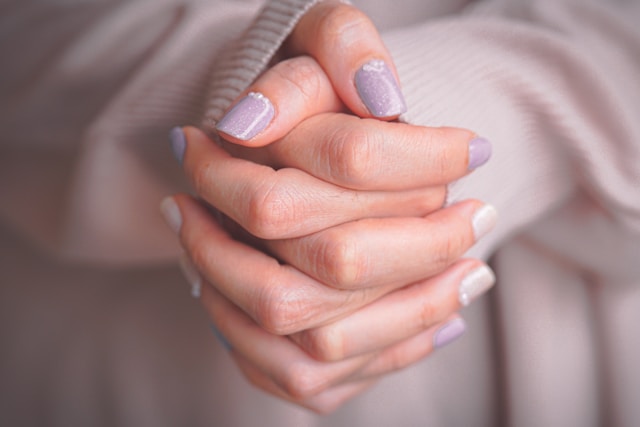
For many, achieving long, resilient nails feels like a constant battle against splitting, peeling, and sudden breakage. The pursuit of stronger tips often leads to products that promise a quick fix but may contain harsh chemicals that ultimately worsen the problem. This guide cuts through the noise, focusing on genuinely non-toxic nail strengtheners that stop peeling and breakage by nourishing your nails from the inside out, not just coating them with potentially harmful resins. By understanding what truly strengthens your nails and what ingredients to avoid, you can make informed choices that lead to lasting health and durability for your natural nails.
How Nail Strengtheners Actually Work
Nails are primarily composed of keratin, a fibrous structural protein that is also the building block of your hair and skin. When nails are healthy, the layers of keratinocytes (the cells that make up the nail plate) are tightly bound together, creating a smooth, hard surface. Weakness occurs when these bonds are compromised due to dehydration, physical trauma, or chemical damage, leading to the layers separating—which you see as peeling—or the entire nail plate cracking.
Non-toxic strengtheners work on two main principles: nourishment and protection.
- Nourishing Formulas: These deliver key vitamins, minerals, and conditioning oils directly to the nail and cuticle. Ingredients like vitamin E, jojoba oil, and keratin peptides penetrate to help reinforce the nail’s structure, improve flexibility, and lock in moisture, preventing the brittleness that causes breakage.
- Protective Formulas: These often use safe film-formers or proteins to create a resilient, flexible shield over the nail. This coating protects the nail from daily wear-and-tear and water exposure, which can cause nails to swell and then contract, weakening them over time. The goal is to create a barrier that prevents damage without relying on harsh, desiccating chemicals like formaldehyde.
A critical point from dermatologists is that true strengthening is a process of repair and support, not just creating an artificially hard shell that can make nails more brittle.
The Ingredient Checklist: What to Look For
When scanning a product label, prioritize these powerhouse ingredients known for their nourishing and fortifying properties:
- Keratin & Hydrolyzed Proteins: Since nails are made of keratin, applying it topically can help fill in microscopic gaps and reinforce the nail’s natural structure. Hydrolyzed wheat or soy protein also works similarly to strengthen from within.
- Vitamin E: A superstar antioxidant and moisturizer. It deeply hydrates the nail bed and cuticles, promoting flexibility and preventing dry, brittle nails that are prone to splitting.
- Calcium: While a dietary deficiency is a separate issue, topical calcium can help harden the nail surface.
- Biotin (Vitamin B7): Often included for its role in supporting keratin infrastructure. While oral biotin is more studied for nail growth, its inclusion in topical treatments aims to nourish the nail directly.
- Natural Oils (Jojoba, Apricot Kernel, Almond): These oils are excellent emollients. They mimic the skin’s natural sebum, absorbing well to deliver moisture and nutrients to the nail matrix and bed, which is essential for healthy new growth.
- Hyaluronic Acid & Panthenol (Provitamin B5): These humectants draw moisture into the nail plate, keeping it hydrated and supple.
The Red Flag List: Harmful Ingredients to Avoid
Some common ingredients in nail treatments can do more harm than good, especially with frequent use. Avoiding these is key to a truly non-toxic regimen:
- Formaldehyde (& Related Donors): Often used as a hardening agent, formaldehyde works by cross-linking keratin proteins, creating an extremely hard—but often brittle—nail. The FDA notes that frequent use can make nails “brittle and more likely to break or peel”. It is also a known allergen and sensitizer.
- Toluene: A solvent that helps polish apply smoothly. It has been linked to nervous system damage with chronic exposure and is being phased out of many formulations.
- Dibutyl Phthalate (DBP): A plasticizer used to prevent chipping. It is a suspected endocrine disruptor and is banned in cosmetics in the European Union.
- Triphenyl Phosphate (TPHP): Another plasticizer under scrutiny for potential endocrine-disrupting effects.
- Methacrylate Monomers (e.g., HEMA): Common in gel polishes and acrylics, these are frequent causes of severe allergic contact dermatitis. Allergic reactions can include redness, itching, and nail bed damage.
Pro Tip: Be wary of labels that say “Formaldehyde-Free.” A 2019 study in the journal Dermatitis tested 29 polishes marketed as such and found that 4 (approximately 14%) actually contained detectable levels of formaldehyde. When in doubt, research the brand’s transparency and commitment to clean ingredients.
Product Comparison: Top Non-Toxic Nail Strengtheners
The best product for you depends on your needs: intensive repair, daily maintenance, or a treatment that works under polish. The table below compares expert and editor-tested options that prioritize safe, effective ingredients.
| Product Name | Type | Key Strengths & Ideal For | Active Ingredients to Look For | Potential Considerations |
|---|---|---|---|---|
| Essie Apricot Cuticle Oil | Cuticle Oil | Daily hydration; on-the-go rollerball application; prevents hangnails & breakage. | Apricot Kernel Oil, Vitamin E | Must be used consistently for best results; focuses on cuticle/nail bed health. |
| CND RescueRXx | Intensive Treatment | Repairing severe damage from gels/acrylics; “nail vacation” reset. | Jojoba Oil, Almond Oil, Keratin | Best used on bare nails for a dedicated period; not a quick fix. |
| Sally Hansen Hard as Nails (Clear) | Strengthening Base/Polish | Affordable, accessible drugstore option; can be worn alone or as a base coat. | Film-Formers, Protein | Some users note a slight tint; a classic protective formula. |
| Butter London Jelly Preserve | Tinted Strengthener | Adds a sheer wash of color while treating; jelly-finish trend. | Hydrolyzed Veg. Protein, Tea Tree Oil, Vitamins | Tinted only; if you want clear, try their Horsepower base coat. |
| Duri Rejuvacote 1 | Growth System | Longtime professional favorite; promotes flexible strength. | Wheat & Soy Proteins, Calcium | Requires a specific 7-day application protocol for initial results. |
Your Step-by-Step Nail Recovery Routine
Consistency is more important than any single product. Follow this simple routine for 4-6 weeks to see transformative results.
- Gentle Cleansing: Wash hands with a mild, moisturizing soap. Avoid harsh antibacterial soaps that can strip natural oils.
- Prep the Nail Plate: On bare, dry nails, gently push back softened cuticles. Avoid cutting them, as they are a crucial seal against infection. Lightly buff the nail surface only to remove shine if using a treatment serum, but do not thin the nail plate.
- Apply Treatment: Follow the directions for your chosen strengthener. For serums like Dr. Dana Nail Renew System, you may prep with a glycolic pen to enhance absorption before applying the treatment. For oils like Essie’s, massage thoroughly into each cuticle and nail bed.
- Incorporate Polish Carefully: If using a strengthening base coat like Sally Hansen Hard as Nails, apply a thin coat and let it dry completely before your color. Always use a non-toxic polish free of the “Toxic Trio” (toluene, formaldehyde, DBP).
- Seal & Moisturize: After polish, or as a final step on bare nails, lock in moisture with a hand cream containing vitamins and ceramides. Reapply cuticle oil at least twice daily, especially after washing hands.
Beyond Topicals: Lifestyle for Strong Nails
Lasting nail health is built from the inside out and protected by daily habits.
- Dietary Support: Nails reflect your overall nutrition. Ensure adequate intake of:
- Protein & Biotin: Found in eggs, nuts, salmon, and legumes, they are the building blocks of keratin.
- Iron & Zinc: Deficiencies can lead to ridges and brittleness. Find them in spinach, red meat, and seeds.
- Hydration: Drink plenty of water. Dehydration shows quickly in dry, brittle nails.
- Protective Wear: Always wear gloves for washing dishes, cleaning with chemicals, or gardening. Prolonged water and detergent exposure is a primary cause of peeling.
- Mindful Manicuring:
- File nails in one direction with a fine-grit file; avoid sawing back and forth.
- Never peel or pick off polish, especially gels. This removes layers of your natural nail plate.
- Soak off gel polish correctly with pure acetone wrapped in foil; never force it off.
- Breaks are Essential: Schedule regular breaks from all polish, especially gels and acrylics, to let your nails breathe and recover.
Expert Tips & Pro Advice
- Diagnose Before You Treat: Dermatologist Dr. David Kim notes that persistent brittleness can stem from issues like psoriasis, eczema, or fungal infections. If your nail problems are severe or don’t improve with care, consult a dermatologist.
- The Power of Jojoba: Nail experts consistently praise jojoba oil because its molecular structure is remarkably similar to human sebum, allowing it to penetrate and moisturize the nail bed more effectively than heavier oils.
- Patience is Key: Nail specialist Miss Pop reminds us that because fingernails only grow about 3-4 millimeters per month, it takes a full 3-6 months to completely replace the nail plate. Commit to your routine for at least that long to see the full results of healthier growth from the matrix outward.
Frequently Asked Questions
Can I use a nail strengthener under a gel manicure?
It depends. Many traditional strengtheners are not compatible with the gel system and can cause lifting. Some brands, like Essie’s to the Rescue UV Gel Damage Repair, are specifically formulated to be a treatment base coat for gel users. The safest strategy is to use your strengthener diligently between gel manicures during your polish-free breaks.
How often should I reapply a nail strengthener polish?
For products like Duri Rejuvacote 1 or Sally Hansen Hard as Nails used as a treatment, experts recommend removing and reapplying a fresh coat every 4-5 days to maintain protection and allow the nail to breathe. Cuticle oils and serums should be applied daily, even multiple times a day.
What’s the difference between a nail hardener and a nail strengthener?
This is a crucial distinction. Hardeners often rely on ingredients like formaldehyde to create a rigid, inflexible shell on the nail. This can lead to brittleness over time. Strengtheners, especially non-toxic ones, aim to improve the nail’s intrinsic health and flexibility through nourishment, making it more resilient rather than just harder.
Are peel-off nail polishes a safer, non-toxic option?
While convenient and often free of harsh solvents, the peeling action can be damaging. As dermatologist Dr. Dana Stern explains, peeling off any coating can also remove layers of the delicate nail plate cells, leading to weakness and white patches. It’s gentler to use a non-acetone remover, even for peel-off formulas.
I have ridges on my nails. Will a strengthener help?
Vertical ridges are often a normal sign of aging. However, a nourishing strengthener with filling properties, like Chanel Le Base Camelia or DefenAge Nail Root Serum, can help smooth the appearance by plumping the nail plate with moisture and nutrients. Deep horizontal ridges (Beau’s lines) warrant a doctor’s visit.
Achieving strong, healthy nails free from peeling and breakage is a journey of choosing the right, non-toxic allies and committing to consistent care. By prioritizing nourishing ingredients like keratin and vitamin E, avoiding harsh chemicals like formaldehyde, and protecting your nails daily, you support your nails’ natural strength from within. Remember that true change grows from the matrix outward, so be patient and kind to your nails—the results will be worth it.


Leave a Reply